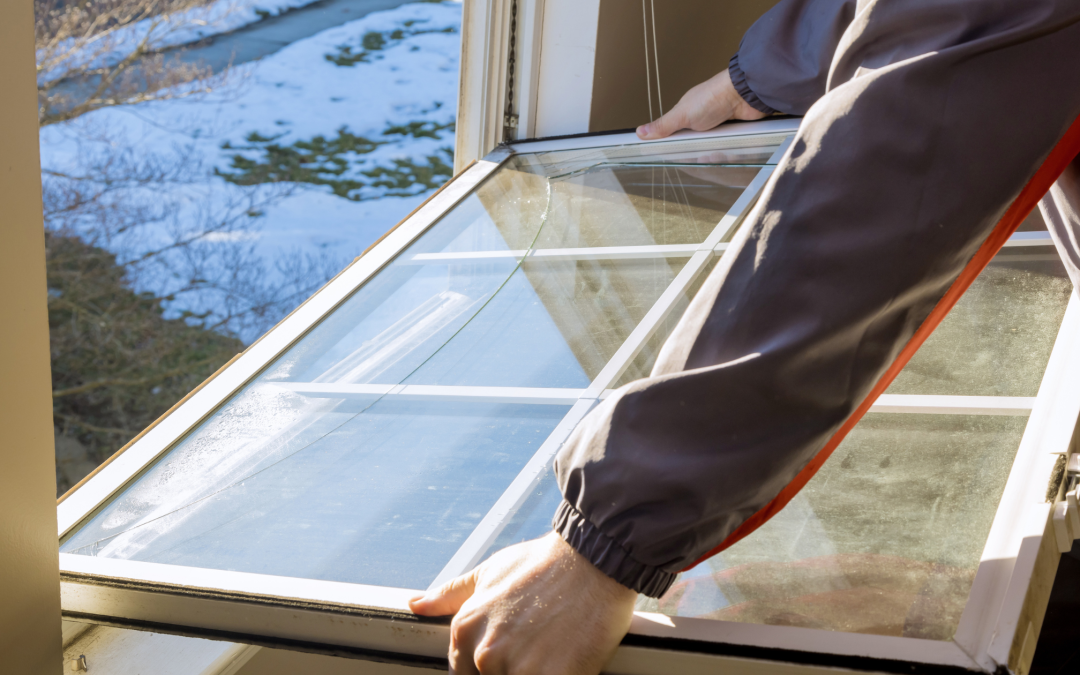
Redoing your home’s exterior is an exciting project; new siding, windows, and roofing transform your investment. However, as you gather quotes, remember, the true value of your upgrade depends on the quality of installation. Professional expertise, rather than shortcuts or do-it-yourself attempts, directly impacts the lasting results of your exterior project.
Careless installation can shorten the life of exterior materials by as much as 50%, turning what could have been a 20-year investment into costly repairs within a few years. Expert installation isn’t just someone installing it; it’s protecting your investment, delivering peak performance, and avoiding installation shortcut problems.
In short, the way your exterior materials are installed directly affects their lifespan and future repair costs. Investing in professional installation means your home’s exterior will remain durable, high-performing, and cost-effective over time.
What Makes Installation “Professional”?
Expert installation entails far more than possessing the right tools and showing up at the right moment. It requires expertise, proper techniques, and attention to detail that have the potential to both build and destroy how an exterior performs.
Expertise in Building Science
Experienced installers know how each exterior system interacts with the rest of your home. They understand how moisture moves through wall assemblies, how thermal bridging affects energy efficiency, and how proper air sealing prevents costly problems. This understanding of building science ensures new exterior materials work in complete harmony with your home’s existing structure.
Amateur installers focus exclusively on the visible, finished product, ignoring critical details like proper vapor barriers, flashing details, and thermal breaks. These hidden details determine whether an installation lasts for decades or fails in years.
Proper Tools and Equipment
Professional installation requires specialized tools not typically found in home garages. From moisture meters and infrared cameras to pneumatic fasteners and laser levels, professionals use equipment designed for precision and efficiency. These tools aren’t luxury items; they’re requirements to meet manufacturer specifications and warranty requirements.
Code Compliance and Permits
Professional installers stay current with local building codes, permit requirements, and inspection processes. They ensure your installation meets or exceeds minimum standards and can pass municipal inspections. This compliance protects you from legal issues and ensures your installation will perform safely and effectively.
The Hidden Costs of Poor Installation
The initial savings from cutting corners on installation costs pale in comparison to the long-term expenses of poor workmanship. Understanding these hidden expenses helps put professional installation costs in perspective.
Premature Material Failure
Improperly installed exterior materials fail faster than expected. Siding installed without proper expansion gaps will buckle and crack. Windows installed without adequate flashing will leak and rot the surrounding framing. Roofing without proper ventilation will age prematurely and void warranties.
Industry data shows that installation-related failures account for 70% of exterior material warranty claims. These failures typically occur within 5-10 years of installation, well before materials should need replacement.
Energy Efficiency Loss
Poor installation creates air leaks, thermal bridges, and moisture problems that dramatically impact your home’s energy efficiency. Gaps around windows and doors, improperly sealed siding joints, and inadequate insulation can increase heating and cooling costs by 20-40%.
Warranty Voidance
Most manufacturer warranties require professional installation to specific standards. DIY installation or work by unqualified contractors often voids these warranties, leaving you responsible for material defects that should be covered.
Insurance Issues
Insurance companies increasingly scrutinize installation quality when processing claims. Poor installation can provide grounds for claim denial, especially for weather-related damage that proper installation should have prevented.
Warning Signs of Poor Installation
Knowing what to look for can help you identify installation problems before they become costly failures.
Visible Installation Defects
Uneven reveal lines around windows and doors indicate improper installation. Siding that’s too tight against trim or has inconsistent exposure shows poor workmanship. Caulk lines that are wavy, excessive, or already cracking reveal hasty installation.
Color variations in new materials often indicate different batches installed together, suggesting poor planning and material management.
Performance Problems
Drafts around newly installed windows and doors signal air sealing failures. Interior moisture problems like condensation or water stains shortly after exterior installation indicate flashing or vapor barrier issues.
Higher energy bills after exterior upgrades suggest installation problems that are compromising your home’s thermal envelope.
Documentation Gaps
Professional installations include proper documentation: material specifications, installation photos, warranty information, and code compliance certificates. Missing documentation often indicates corners were cut during installation.
The Science Behind Proper Installation
Professional installation follows proven techniques based on building science research and manufacturer testing. Understanding these principles helps explain why proper installation matters so much.
Moisture Management Systems
Proper exterior installation creates multiple lines of defense against moisture intrusion. The primary barrier keeps most water out, while drainage planes and weep systems handle moisture that does penetrate. Vapor barriers control moisture movement from inside your home.
Professional installers understand which products work together and how to integrate these systems properly. They know how to flash penetrations, seal joints, and create continuous drainage planes that protect your home’s structure.
Thermal Performance Optimization
Energy-efficient exterior materials only perform as designed when installed correctly. Professional installers eliminate thermal bridges, seal air leaks, and ensure continuous insulation layers. They understand how different materials expand and contract and plan for movement without compromising performance.
Structural Integration
Your exterior materials must integrate properly with your home’s structural system. Professional installers know how to attach materials securely without compromising structural integrity. They understand load paths, attachment requirements, and how to reinforce areas where needed.
Choosing the Right Installation Professional
Not all contractors offer the same level of expertise and quality. Understanding what to look for helps ensure you get a truly professional installation.
Key Qualifications to Verify
Licensed contractors have demonstrated minimum competency and carry the required insurance. Look for contractors with specific manufacturer certifications for the products they’ll be installing. These certifications require training on proper installation techniques and often include ongoing education requirements.
Experience with similar projects matters, but recent training on new techniques and materials is equally important. Building science evolves, and the best contractors stay current with best practices.
Quality Assurance Processes
Professional installers have quality control processes that ensure consistent results. They conduct pre-installation assessments, document their work, and perform quality inspections throughout the process. Ask potential contractors about their quality assurance procedures and what documentation they provide.
Warranty and Service Commitment
Professional contractors stand behind their work with comprehensive installation warranties. They maintain relationships with suppliers and manufacturers and can provide ongoing service and support. Be wary of contractors who don’t offer substantial installation warranties or who plan to be unreachable after project completion.
Installation Standards That Matter
Professional installation follows specific standards that ensure optimal performance and longevity. Understanding these standards helps you evaluate contractor proposals and installation quality.
Manufacturer Specifications
Every exterior product comes with detailed installation instructions that specify fastening requirements, spacing, flashing details, and compatibility with other materials. Professional installers follow these specifications exactly, understanding that deviations can compromise performance and void warranties.
Building Code Requirements
Local building codes establish minimum installation standards for safety and performance. Professional contractors know current codes and often exceed minimum requirements to ensure optimal performance.
Industry Best Practices
Professional associations and building science organizations continuously develop and refine installation best practices. Leading contractors participate in this professional development and apply the latest techniques to their installations.
The Technology Advantage
Modern professional installation incorporates advanced techniques and technologies that weren’t available even a few years ago. These innovations improve installation quality and long-term performance.
Advanced Air Sealing
Professional installers use sophisticated air sealing techniques and materials that create continuous air barriers. They use blower door testing to verify air sealing effectiveness and thermal imaging to identify potential problems.
Moisture Detection and Monitoring
Professional installers use moisture meters and infrared cameras to identify existing moisture problems and verify that their installation doesn’t create new ones. Some offer moisture monitoring systems that provide ongoing protection.
Precision Measurement and Layout
Laser levels, digital measuring tools, and computer-aided layout ensure precise installation that meets exact specifications. These tools eliminate the guesswork and inconsistencies that plague amateur installations.
Beyond Installation: Long-Term Value
Professional installation provides value that extends well beyond the initial project completion. This ongoing value makes professional installation one of the best investments you can make in your home.
Extended Material Life
Properly installed exterior materials last significantly longer than the manufacturer’s minimum expectations. Professional installation techniques optimize material performance and minimize stress factors that cause premature failure.
Maintained Energy Efficiency
Professional installation maintains energy efficiency throughout your exterior materials’ lifespan. Proper air sealing, insulation, and moisture management prevent the degradation that reduces efficiency over time.
Preserved Home Value
Homes with professionally installed exterior materials maintain their value better than homes with installation problems. Buyers increasingly recognize quality installation, and home inspectors readily identify installation defects that can derail sales.
Peace of Mind
Professional installation provides confidence that your exterior will perform as expected. Comprehensive warranties, proper documentation, and ongoing contractor support eliminate the worry that comes with questionable installation.
Making Professional Installation Affordable
While professional installation requires a larger upfront investment, several strategies can make it more affordable while preserving quality.
Contractor Financing Options
Many professional contractors offer financing programs that spread the cost of installation over manageable monthly payments. These programs often include promotional rates that make professional installation more accessible.
Seasonal Timing
Scheduling installations during contractors’ slower seasons can reduce costs while ensuring you get their full attention. Spring and fall often offer the best balance of weather conditions and contractor availability.
Phased Installation Approaches
For larger projects, consider phasing installation to spread costs over time while prioritizing areas that need immediate attention. Professional contractors can develop phased plans that maintain weather protection throughout the process.
Value Engineering
Professional contractors can suggest value engineering approaches that help you achieve your performance goals while managing costs effectively. This might include selecting different product grades or adjusting project scope without compromising quality.
Taking Action for Your Home
Professional installation is the foundation of exterior longevity and performance. With exterior materials representing a major home investment, professional installation is essential protection for that investment.
Getting Started
Begin by evaluating your current exterior condition and identifying areas that need attention. Research qualified contractors in your area and request detailed proposals that specify installation techniques and quality assurance processes.
When evaluating contractors, focus on qualifications, experience, and commitment to quality rather than just price. Crown Installs offers quality workmanship and fair pricing when it comes to professional installation of windows, roofing, doors, siding, and more.
Don’t compromise on installation quality to save money upfront. The difference between professional and amateur installation costs is small compared to the potential costs of installation failures. Your exterior materials are only as good as the installation that puts them in place.
Contact Crown Installs for professional home upgrade services and installation needs.