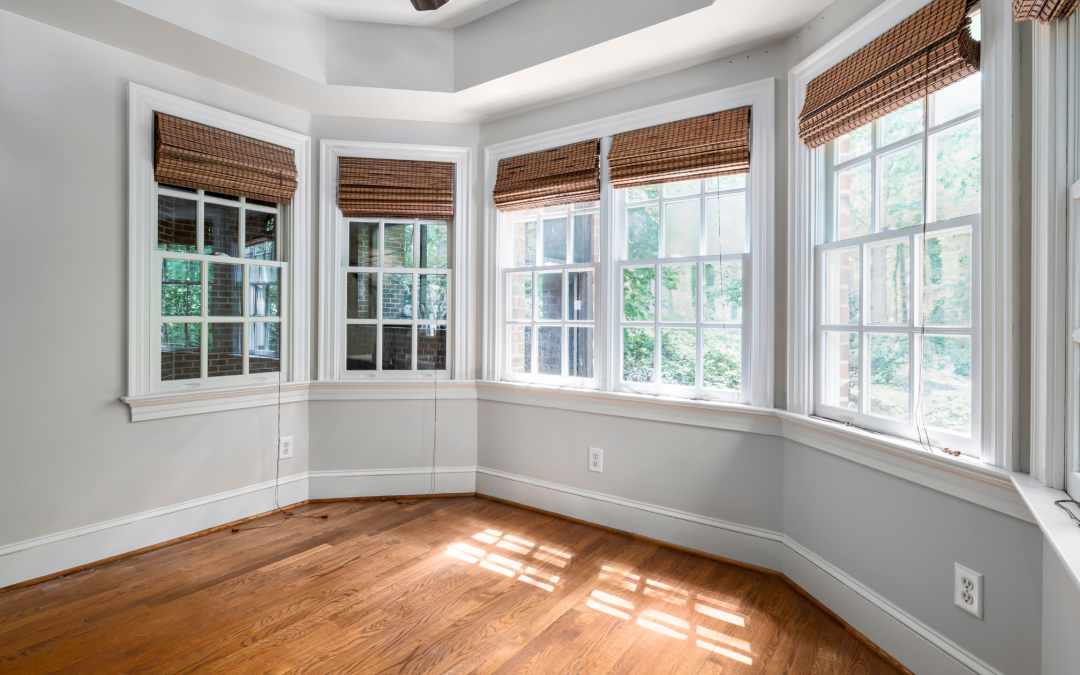
It is summer in Georgia. The AC has been running since breakfast, the thermostat says 74, and the electric bill just came in higher than expected. If you’ve started wondering whether your windows are part of the problem, you’re not alone. Aging or inefficient windows can quietly increase your energy bills while making your home less comfortable. You walk past the living room window and feel a thread of warm air slipping through the frame, even though the sash is shut. That little draft isn’t just warm air—it’s money leaving your house one degree at a time.
Windows are easy to ignore until they start working against you. Most of them fail slowly, so the extra cost hides inside a bill you were going to pay anyway. Below are the signs that your windows have crossed from “a bit dated” into “actively expensive,” plus what the numbers actually say about fixing them.
Why Old Windows Can Increase Your Energy Bills
In Georgia’s hot, humid climate, homeowners rely on their air conditioning for much of the year. According to the U.S. Department of Energy, heat gain and heat loss through windows account for 25–30% of the energy used for heating and cooling. That makes inefficient windows more than a cosmetic issue, and they can become a noticeable contributor to higher monthly utility bills.
The glass itself is a big part of the problem. A standard double-pane window lets in roughly 75 percent of the sun’s heat, according to ENERGY STAR. Single-pane windows are worse. Every bit of heat that pours through the glass is heat your AC has to pull back out, over and over, all afternoon.
You Feel A Draft Even When The Window Is Shut.
Stand next to each window on a breezy day and hold the back of your hand near the frame and the sash. If you feel air moving, the seal or the weatherstripping has worn out.
Drafts mean your conditioned air is escaping while outdoor air sneaks in. Your system never gets to rest because the room never quite holds its temperature. A drafty window is usually the cheapest problem for a Crown Installs crew to confirm, and one of the more expensive ones to leave alone through a Georgia summer.
Your Energy Bills Keep Climbing With No Clear Reason
Pull up your last twelve months of statements. If the cost is trending up while your habits have stayed the same, your home is probably leaking conditioned air somewhere, and windows are a common culprit.
Compare each bill against the same month a year earlier rather than the month before, since the weather swings so much here. A July that costs noticeably more than last July, with the same thermostat setting and the same number of people home, points to something physical getting worse. Failing window seals fit that pattern.
There Is Fog Trapped Between The Panes.
If you see haze, moisture, or a milky film between the two layers of glass, the seal on that insulated unit has failed. The insulated seal between the panes has failed, allowing moisture to enter the space. If the window originally contained argon gas, it has likely escaped as well, reducing the window’s insulating performance. A fogged insulated window has lost much of the energy efficiency it was designed to provide, making it far less effective at insulating your home.
Once that happens, the window loses most of its insulating value, and you cannot clean your way out of it, because the fog sits on the inside of the sealed unit. A foggy window is basically a single-pane window in disguise. It looks like the real thing and performs like something a couple of decades older.
Your Windows Stick, Sag, or Will Not Stay Put.
Windows that fight you when you open them, or that slide back down on their own, have usually shifted out of square or worn out their hardware. Beyond the daily annoyance, a window that does not close cleanly does not seal cleanly, and a window that does not seal leaks air you paid to condition.
There is a safety angle too. A window painted shut or jammed in its track is a window you cannot use as an exit, and one you cannot open on the rare evening cool enough to skip the AC.
Some Rooms Never Get Comfortable.
You know the room. The office that runs five degrees hotter every afternoon. The bedroom over the garage that never cools down. When one room refuses to match the rest of the house no matter how you adjust the vents, the windows in that room are often the reason, especially if they face west and catch the full evening sun.
The fix is not always more air conditioning. Sometimes it is glass that prevents heat from dumping into the room in the first place.
Street Noise Comes Right Through
This one is not directly about energy, but it is a useful tell. Windows that let in every passing truck and lawnmower are also letting in heat and air, because sound and air travel through the same gaps and thin glass. If your home has gotten louder over the years, or a room near a busy road never feels quiet, aging windows are part of the story. Modern insulated glass reduces the noise and the energy loss.
You Can See Rot, Cracks, or Water Stains.
Some window problems you do not have to test for. You can just look. Soft or spongy wood at the corners of the frame, paint that flakes and peels near the sill, cracked or chipped glass, and dark water stains on the wall or trim underneath all point to a window that has been letting moisture in.
Water is the costly part here. Once it gets past a window, it does not stop at the frame. It works into the wall behind the trim and, over time, can reach the sheathing and framing, turning a window problem into a repair bill that has nothing to do with windows. Rotted wood also means the seal around the sash is long gone, so you are paying to condition air that leaks right back out.
If you press on the frame and it gives, or you see staining that keeps returning after you paint over it, the window is past the point where fresh caulk and weatherstripping will help.
When New Windows Start Paying For Themselves
Here is the honest math. Replacement windows are an investment, and you will not get every dollar back at resale. What you get is a mix of lower bills now and a solid return later.
On the energy side, ENERGY STAR estimates that certified windows reduce heating and cooling costs by up to 13 percent compared with non-certified windows. On the resale side, the 2025 Cost vs. Value Report puts vinyl window replacement at roughly 67 to 72 percent of cost recouped nationally, with regional figures varying around that range. Stack years of energy savings on top of the resale bump, and the gap between what you spend and what you get back narrows fast.
If several of the signs above describe your house, replacement usually beats another season of patching. A window specialist from Crown Installs can walk your home, tell you which windows are actually costing you and which still have life left, and give you real numbers instead of a guess.
Frequently Asked Questions
How do I know if my windows need replacing or just a repair?
If the issue is worn weatherstripping, a loose lock, or a small gap, resealing or a repair may be enough. If you have fog between the panes, rotted frames, single-pane glass, or several windows failing at once, replacement is usually the smarter spend. A Crown Installs estimate can tell you which category each window falls into.
Do new windows really lower my energy bill in Georgia?
They help most where cooling loads run high, which fits Georgia’s long, humid summers. Because so much heat passes straight through glass, low-E insulated windows reduce the load on your AC throughout the cooling season. ENERGY STAR reports an average reduction in heating and cooling costs of up to 13 percent.
How much of the cost do I get back if I sell?
The 2025 Cost vs. Value Report shows vinyl window replacement recouping about 67 to 72 percent nationally, with regional numbers varying around that. On top of that, you get lower bills for every year you stay.
What is the fastest way for me to check my windows?
On a hot afternoon, touch the glass and the frame. Warm glass, drafts you can feel, condensation between the panes, and rooms that will not cool are the four quickest tells.
Ready To Stop Paying For Windows That Leak
If you’ve noticed drafts, foggy glass, or rising energy bills, now is the perfect time to have your windows evaluated. Crown Installs proudly serves homeowners throughout Metro Atlanta and North Georgia with professional window replacement services designed to improve comfort, energy efficiency, and long-term value. Contact us today for a free in-home estimate and discover whether replacement windows could start saving you money.