Is your roof ready for spring? A seasonal roof inspection may be in order.
Winter can take a toll on your roof, even if it seems fine from the ground. Rain, snow, ice, and freezing temperatures all put extra stress on your roof, potentially leading to damage that might not show up right away.
Although snow in Atlanta is not guaranteed every winter, the city averages around 2.2 inches of snowfall annually. This may seem minor, but even small amounts of snow and ice can cause problems, especially when combined with the freeze-thaw cycles common in the region.
As spring approaches, now is the perfect time to inspect your roof for any problems caused by winter weather. A winter roof inspection can help you catch minor issues before they become big headaches.
This post will explore why seasonal roof inspections are essential, how winter weather affects your roof and the benefits of staying proactive.
Why Do You Need a Winter Roof Inspection?
Many homeowners don’t think about their roofs until there’s a noticeable problem. However, even the relatively mild winters in Atlanta can cause damage that’s easy to miss. A professional inspection helps ensure your roof is in good shape before spring rains, which can be heavy in the Southeast.
Winter weather conditions, such as light snow, ice, and frost, can lead to leaks, sagging, or weakened materials. These problems might not cause immediate issues, but over time, they can worsen and lead to costly repairs.
Seasonal roof inspections aren’t just about damage control. They’re also about ensuring your roof is ready for the warmer months. A well-maintained roof protects your home, improves energy efficiency, and keeps repair costs manageable.
What Are the Signs Your Roof Needs Repair After Winter?
Sometimes, your roof gives clear signs it needs attention. Other times, the damage can be subtle. Even with Atlanta’s relatively light snowfall, your roof may still experience issues.
Have You Noticed Any Shingle Damage?
Shingles protect your roof from the elements, but they can become cracked, curled, or even fall off due to winter weather. Fluctuating temperatures, common in Atlanta winters, can weaken shingles over time. From ground level, scan your roof for shingles that look out of place or missing entirely. Damaged shingles can lead to water leaks if not addressed promptly.
Are There Signs of Water Damage Indoors?
Water stains on your ceilings or walls can indicate a roof leak. If you’ve noticed peeling paint, mold, or mildew inside your home, it’s worth checking if your roof is the culprit. These issues often start small but can grow quickly if left unattended.
Do You Feel Drafts in Your Home?
Drafts or uneven temperatures in your home, particularly on the upper floors or attic, could mean your roof has gaps or insulation problems. Poor insulation often results from damaged roofing materials, and fixing this can improve energy efficiency.
Are Your Gutters Damaged or Clogged?
Winter weather can clog or damage gutters, making it harder for water to drain from your roof. Even Atlanta’s lighter snowfalls can lead to ice dams, causing water to pool on your roof. If you notice sagging or broken gutters, it’s a sign your roof might need some care.
How Does Winter Weather Damage Roofs?
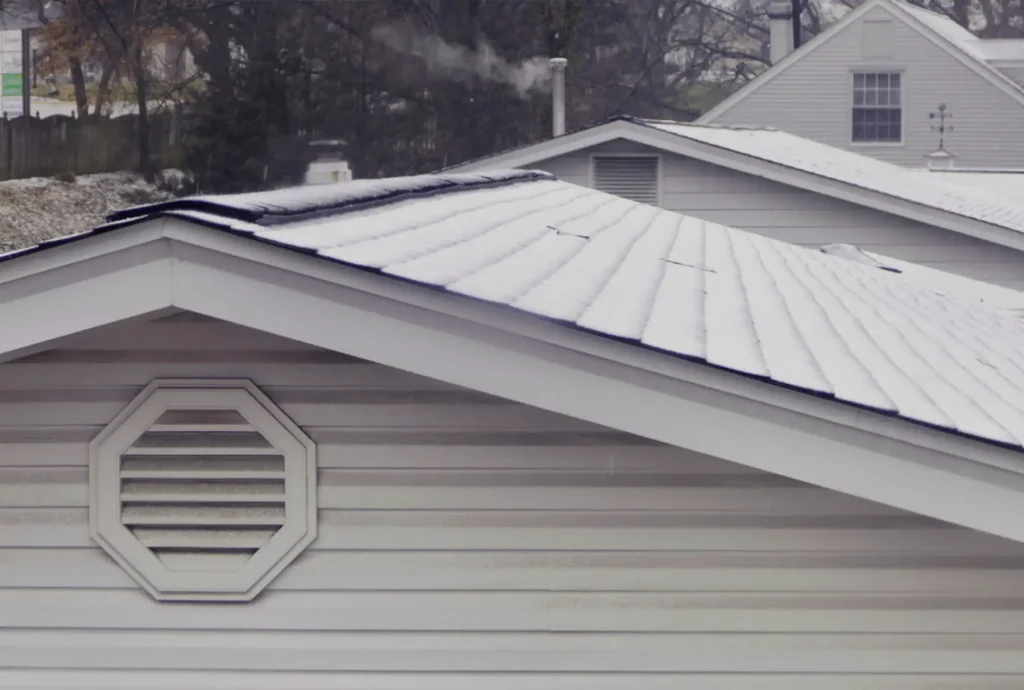
Winter brings several challenges for roofs, and understanding these can help you spot potential problems early.
Heavy snow may not be a common issue in Atlanta, but when it does occur, it adds weight to your roof, which can strain its structure. Ice dams are also a concern. They form when melted snow refreezes at the roof’s edges, blocking proper drainage and causing water to back up under the shingles.
Temperature swings, which are frequent in the South, also play a role. As temperatures rise and fall, materials expand and contract. Over time, this can cause cracks in shingles, flashing, or other roof components.
Moisture is another concern. Rain, snow, and ice can seep into small cracks and refreeze, causing those cracks to grow. This process, known as freeze-thaw damage, is a leading cause of winter roof wear.
What Are the Benefits of Seasonal Roof Inspections?
Scheduling regular roof inspections isn’t just about spotting damage—it’s about preventing problems before they start. Inspections offer several benefits for homeowners all across northern Georgia.
Can Seasonal Inspections Save You Money?
Catching minor problems early can save you a significant amount of money. A minor roof repair is much less expensive than fixing extensive water damage or replacing an entire roof. Proactive maintenance helps extend the life of your roof, reducing long-term costs.
How Do Inspections Improve Energy Efficiency?
A well-maintained roof helps keep your home warm in winter and cool in summer. Inspections improve your home’s energy efficiency by addressing insulation gaps or leaks, potentially lowering your heating and cooling bills.
Are Inspections the Best Way to Prepare for Spring?
Spring weather often brings heavy rain and strong winds. Ensuring your roof is in good condition helps you avoid leaks, drafts, or other issues as the seasons change. An inspection gives you peace of mind, knowing your roof is ready to handle whatever comes next.
How Can You Check Your Roof for Damage?
While a professional inspection is the most thorough option, there are a few steps you can take to assess your roof’s condition. Check your attic for water stains, mold, or damp insulation. These are often signs of a leak.
Next, look at your shingles from the ground. They may need repair or replacement if they appear curled, cracked, or discolored.
Finally, examine your gutters for clogs, sagging, or visible damage.
What Happens During a Professional Roof Inspection?
When you schedule a winter roof inspection, a professional roofer will thoroughly examine your roof inside and out. They’ll check for loose or missing shingles, inspect flashing around chimneys and vents, and evaluate the condition of your gutters. Inside, they’ll look for signs of leaks, moisture damage, and ventilation issues.
After the inspection, you’ll receive a report detailing the roof’s condition and any recommended repairs or maintenance. This allows you to make informed decisions about protecting your home.
How Can You Get Your Roof Ready for Spring?
If your inspection reveals no significant issues, that’s great news! To keep your roof in top shape, consider some simple maintenance. Clear your gutters of any debris left from winter. Trim overhanging branches to reduce the risk of falling limbs during spring storms. If snow or ice remains on your roof, carefully remove it with a rake.
Regular maintenance and seasonal inspections ensure your roof stays strong and dependable for years to come.
Ready to Protect Your Atlanta Home?
A winter roof inspection is a wise investment in your home’s safety and longevity. By identifying and addressing issues now, you’ll save time, money, and stress in the long run.
Get a Quote Today and make sure your roof is ready for the spring season. Don’t wait—schedule your professional inspection and enjoy peace of mind knowing your home is protected.